

Your home’s foundation is one of the most important parts of the entire structure. It supports the weight of your house, helps keep everything level and stable, and protects against moisture and structural shifting. But despite how critical it is, foundation problems often go unnoticed until they become serious and expensive. Luckily, many foundation issues start with small warning signs that homeowners can catch early.
At Mister Fix-It, homeowners frequently ask us how they can tell whether their foundation is developing problems. While some issues require professional evaluation, there are several simple foundation checks our neighbors here in Saint Louis, Saint Peters, and Saint Charles should make each year to help protect their home. Here are five:
1. Check for Cracks in Walls, Ceilings, and the Foundation Itself
One of the most common warning signs of foundation movement is cracking.
Not all cracks are serious, of course. Homes naturally settle over time, and small hairline cracks can be normal. However, certain types of cracks may indicate shifting or structural movement beneath the home.
Inspect basement walls, crawl spaces, exterior foundation walls, drywall inside the home, ceilings, and around doors and windows.
Pay especially close attention to:
- Horizontal cracks
- Stair-step cracks in brick
- Wide or growing cracks
- Cracks that suddenly appear
- Multiple cracks in the same area
Saint Louis’s changing weather patterns, seasonal moisture swings, and soil expansion can all contribute to foundation movement over time. If cracks appear to worsen or spread, it’s smart to have them professionally evaluated before damage progresses.
2. Test Doors and Windows Throughout the House
Doors and windows often reveal foundation issues before homeowners notice anything else. As foundations shift, parts of the home may become slightly uneven. This can cause frames to warp or move out of alignment.
Watch for sticking or dragging doors, gaps around frames, uneven spacing around trim, doors that won’t latch properly, and windows becoming difficult to open.
Sometimes these problems can just be humidity or seasonal swelling, but persistent alignment issues throughout the home may point to foundation movement.
3. Inspect for Water Drainage Problems Around the Home
Water is one of the biggest threats to a healthy foundation. Improper drainage can allow water to collect around the base of the home, increasing pressure on walls and contributing to soil movement.
Make sure you regularly inspect gutters and downspouts, yard grading, areas where water pools, drainage paths after storms, and soil erosion near the foundation.
Downspouts should direct water away from the home. Ideally, the ground should slope slightly away from the foundation rather than toward it.
4. Look for Uneven or Sloping Floors
Floors that suddenly feel uneven, bouncy, or sloped may indicate structural movement. This issue can sometimes develop gradually, making it easy for homeowners to overlook at first.
If furniture leans, floors feel soft or springy, gaps are appearing between flooring and baseboards, or you notice cracked or separated tile flooring, it’s important to investigate.
5. Examine Your Basement or Crawl Space for Moisture and Structural Changes
Basements and crawl spaces provide valuable clues about your home’s overall condition.
Check for moisture buildup, standing water, mold or mildew, wood rot, sagging beams, cracked supports, shifting piers, and pest activity.
Why Foundation Problems Should Never Be Ignored
Foundation damage doesn’t improve on its own. The longer foundation issues go untreated, the more expensive repairs often become.
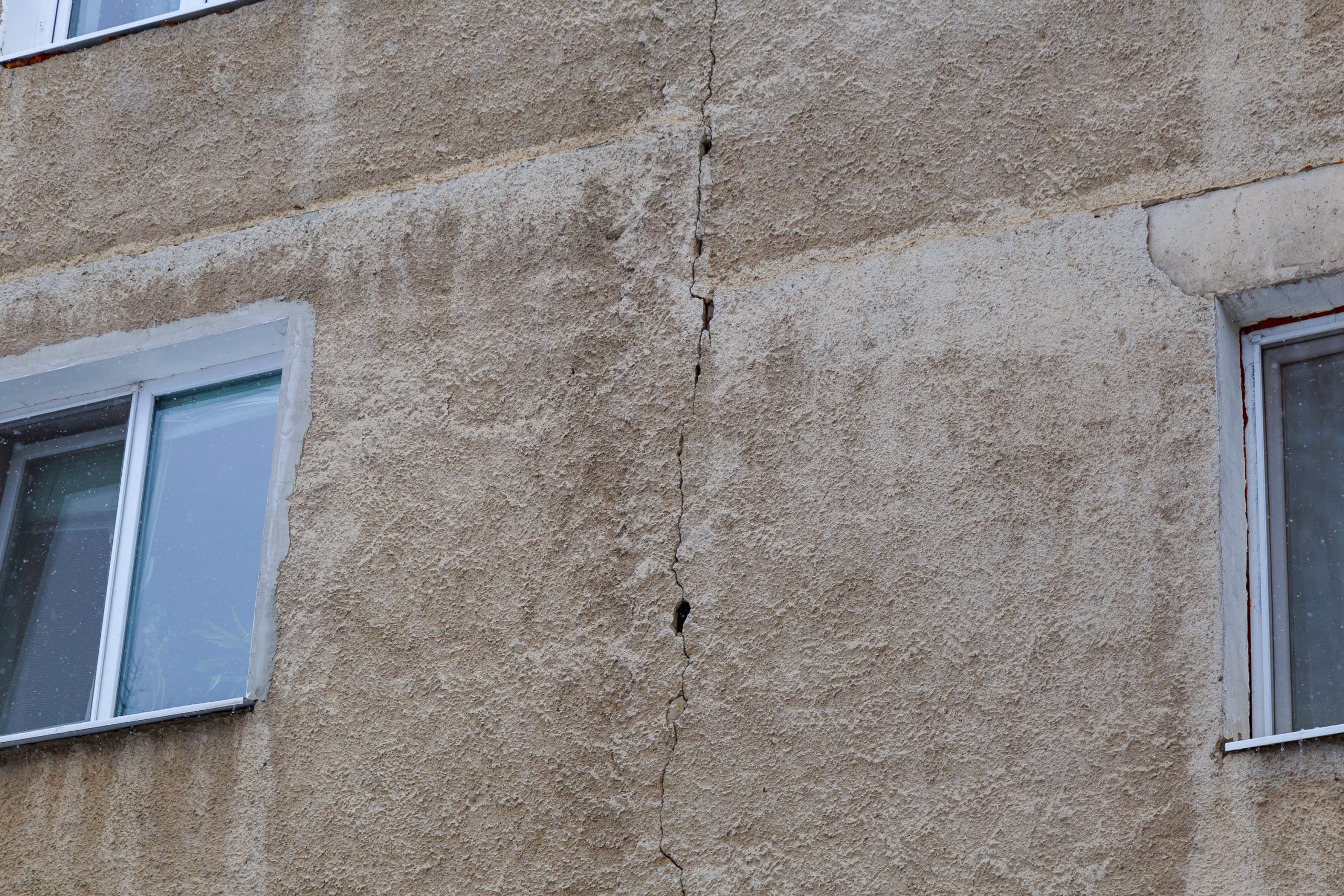
Early detection is one of the best ways to reduce repair costs and protect the long-term stability of your home.
What Causes Foundation Problems?
Several factors can contribute to foundation movement and structural issues over time, including:
- Soil expansion and contraction
- Poor drainage
- Tree root activity
- Heavy rainfall
- Drought conditions
- Plumbing leaks
- Improper grading
- Natural settling
In Missouri especially, fluctuating moisture levels in the soil can place stress on foundations throughout the year. This is why routine home inspections and preventative maintenance are so important.
Protect Your Home with Help from Mister Fix-It
At Mister Fix-It, homeowners throughout Saint Charles, Saint Peters, and the surrounding Saint Louis area trust our team for dependable home repairs, inspections, and maintenance services. Mister Fix-It can help assess the issue and recommend practical solutions.
Start by getting a free, no-obligation quote at www.misterfixitstl.com today.
NEXT UP: Lawn & Landscaping Mistakes That Can Impact Your Home