Small outdoor choices can lead to big (and costly) home repairs for Saint Louis, Saint Peters, and Saint Charles properties.
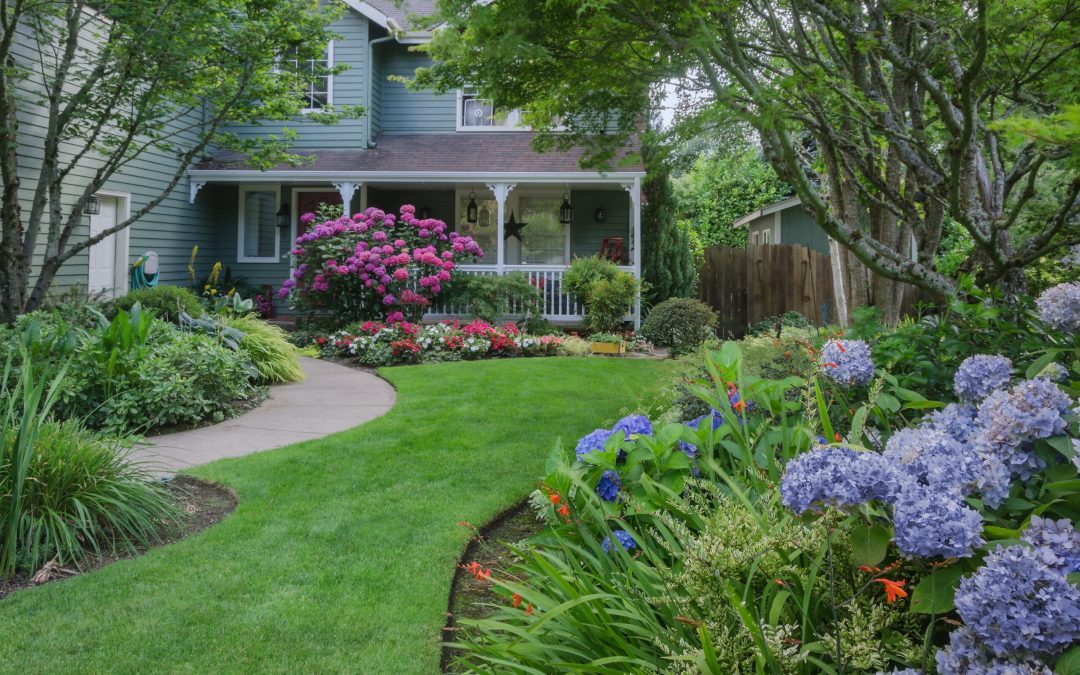
When most homeowners think about lawn care and landscaping, they’re focused on curb appeal. Everyone wants lush grass, trimmed bushes, and a yard that looks great from the street! But what many don’t realize is that certain landscaping habits can do more than affect appearances, they can actually cause serious damage to your home.
From drainage issues to hidden structural risks, the way you maintain your yard plays a bigger role in your home’s health than you might expect.
Here are some of the most common lawn and landscaping mistakes, and how to avoid them before they turn into costly repairs.
1. Poor Drainage Around Your Foundation
One of the biggest (and most expensive) mistakes homeowners make is failing to manage water properly.
If your yard doesn’t slope away from your home, rainwater can collect around the foundation. This can lead to basement leaks, foundation cracks, mold and mildew growth, and structural damage.
What to do instead:
Make sure your yard is graded so water flows away from your home. Downspouts should extend several feet out, and low spots near the foundation should be filled and leveled.
2. Planting Too Close to the House
It might look nice to have plants and shrubs hugging your home, but it can cause big problems over time.
Common issues include trapped moisture against your siding, increased risk of pests entering your home, damage to exterior materials, and limited airflow (which promotes mold growth).
What to do instead:
Leave a few feet of space between your plants and your home. This allows proper airflow and also makes it easier to inspect for potential issues.
3. Letting Tree Roots Get Too Close
Trees add beauty and shade, but their roots can be surprisingly aggressive!
If planted too close, roots can crack foundations, damage sidewalks and driveways, and invade your plumbing lines.
What to do instead:
Be mindful of tree placement and choose species appropriate for your yard size. If you already have large trees nearby, it may be worth having a professional assess potential risks.
4. Overwatering Your Lawn
A healthy lawn needs water, but too much of it can do more harm than good.
Overwatering can lead to soil erosion, water pooling near your home, increased risk of foundation issues, and, of course, higher utility bills.
What to do instead:
Water deeply but less frequently, and adjust based on weather conditions. Make sure your irrigation system isn’t oversaturating areas near your foundation.
5. Clogged or Improperly Placed Gutters & Downspouts
Your gutter system plays a major role in protecting both your home and your landscaping, but it’s often overlooked.
When gutters are clogged or downspouts are too short, water ends up right where you don’t want it: near your foundation.
This can cause erosion, water issues in your basement, and damage to your siding.
What to do instead:
Keep gutters clean and ensure downspouts direct water at least 5–10 feet away from your home.
6. Using the Wrong Mulch (or Too Much of It)
Mulch is great for retaining moisture and keeping weeds down, but improper use can create problems.
Too much mulch (or mulch piled against your home) can trap moisture against your siding, attract pests like termites, and promote rot in wood structures.
What to do instead:
Use a moderate layer (typically 2–3 inches) and keep mulch a few inches away from your home’s exterior.
7. Ignoring Hardscape Cracks and Shifting
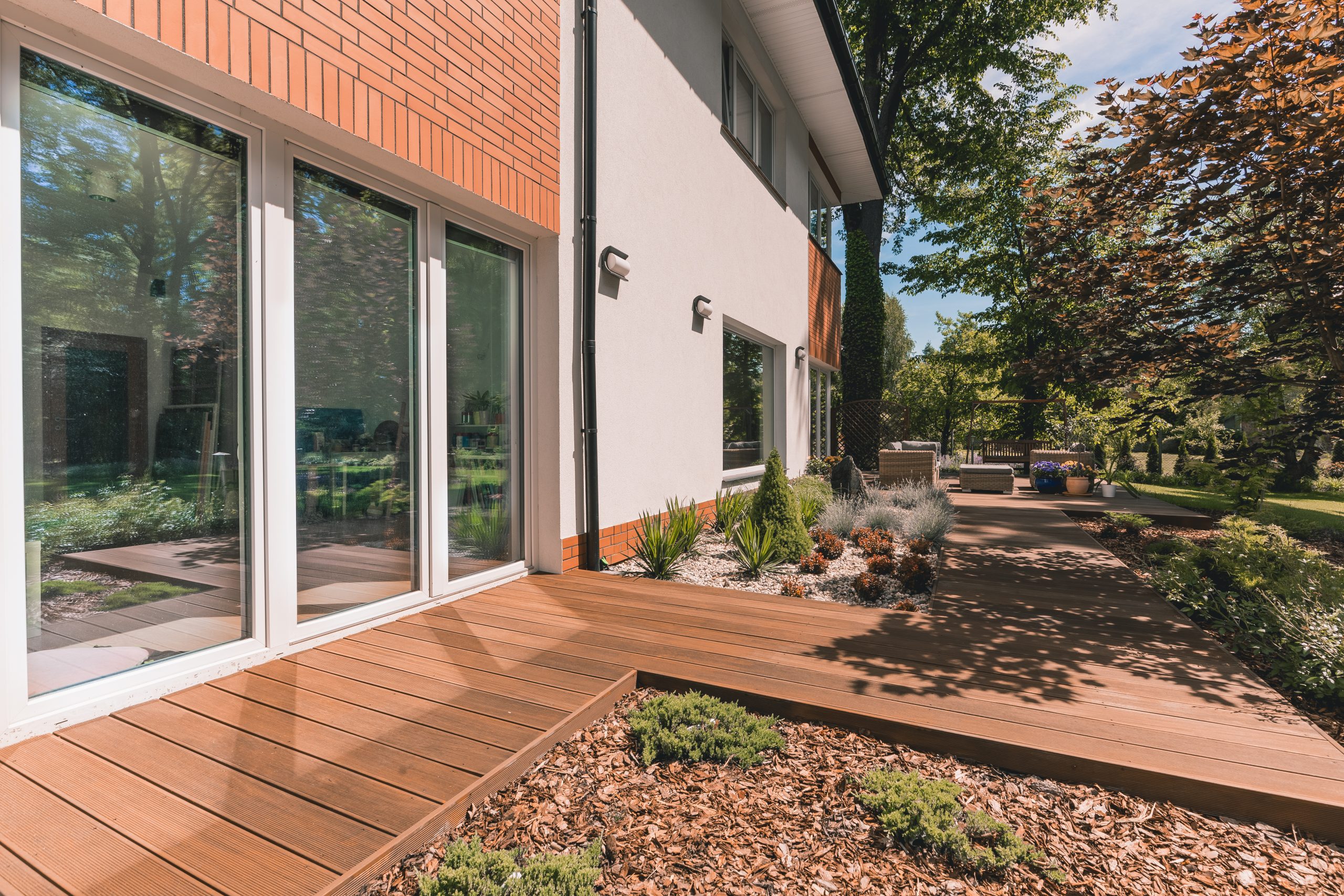
Driveways, walkways, and patios are part of your landscaping, too. When they start to crack or shift, it can often be a sign of a deeper issue. These problems can create tripping hazards, allow water to seep into unwanted areas, and indicate soil movement near your foundation.
What to do instead:
Address cracks early and monitor for changes. Small fixes now can prevent larger, more expensive repairs later.
8. Blocking Proper Airflow Around Outdoor Units
Your HVAC system’s outdoor unit needs space to function efficiently, but landscaping can sometimes get in the way.
Overgrown plants or debris around the unit can reduce efficiency, cause overheating, and lead to system wear and tear.
What to do instead:
Keep at least 2–3 feet of clearance around your unit and regularly clear away leaves, grass, and debris. We also highly recommend our local partners at UPKEEP Home Warranty and Maintenance for affordable protection on your home systems and appliances.
Protect Your Home from the Outside In
Your yard should enhance your home, not put it at risk. By avoiding these common landscaping mistakes, you can protect your foundation, prevent water damage, and extend the life of your home’s exterior and systems.
But even with the best prevention, issues can still arise. That’s where having a trusted professional makes all the difference.
When in Doubt, Call Mister Fix-It
If you’re noticing signs of water damage, foundation concerns, termites, or wear and tear, it’s always better to address the issue early.
Mister Fix-It is here to help with repairs, general home maintenance, renovations, and more. Our team of experts is just a call away, or you can get a free estimate today at www.misterfixitstl.com.
Don’t let simple landscaping mistakes turn into costly home repairs.
Reach out to Mister Fix-It today and keep your home looking great and functioning better than ever. See reviews from your neighbors here!